
Envision a Future
of Entertainment
UX Design and Strategy
MGM, LA , Vegas
E-booking
Entertainment
Customer (CX)
AR/VR
Duration: 6 Months, 2022
UX Design, User Research, Design Strategy, Prototyping & Testing,

Overview
MGM Resorts has long led the entertainment industry with spectacular live shows, concerts and casino environments worldwide. Now, the rise of the immersive virtual experiences that offers a chance to extend the MGM brand beyond its physical venues.
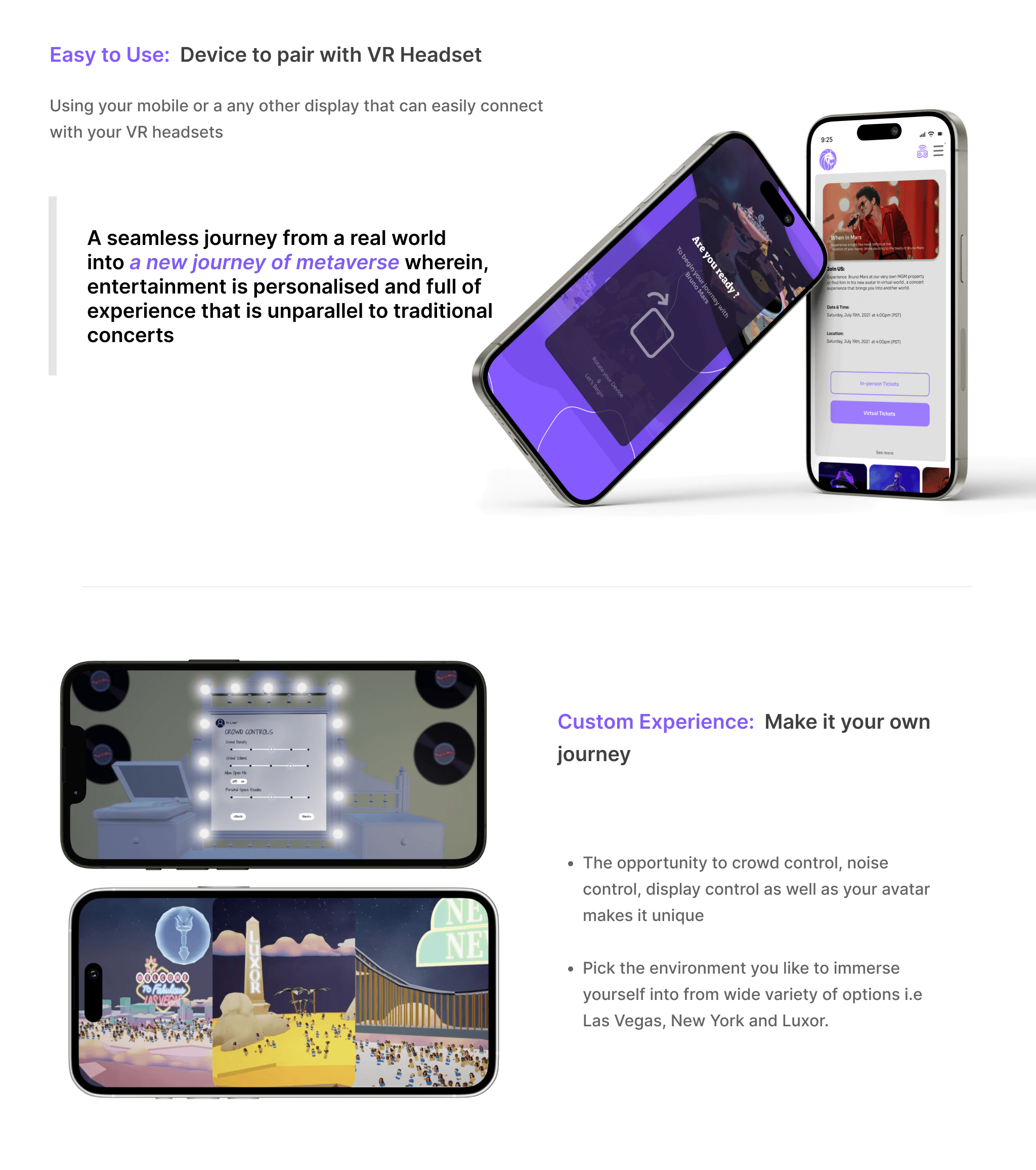
An AR/VR concert platform that lets fans book a show, and attend virtual concerts, with a click in any environment
My Role
UX Designer & Strategist, I partnered with MGM’s Innovation Design Team to craft a cross‑device, AR/VR concert platform.
My Role: Assisted in Mixed-method research, developed product roadmap, Journey mapping, developed UI/UX -visual design, usability, interactive design, and accessibility
Problem Statement
Over the years, MGM has struggled to design experiences that resonate with Gen Z, leaving this digital-native generation under-engaged in its casinos and live shows. Without a compelling, accessible gateway, MGM risks losing a critical fan base—and with it, a vital engine for future growth.
What Did We Focus On - Introducing new virtual experience
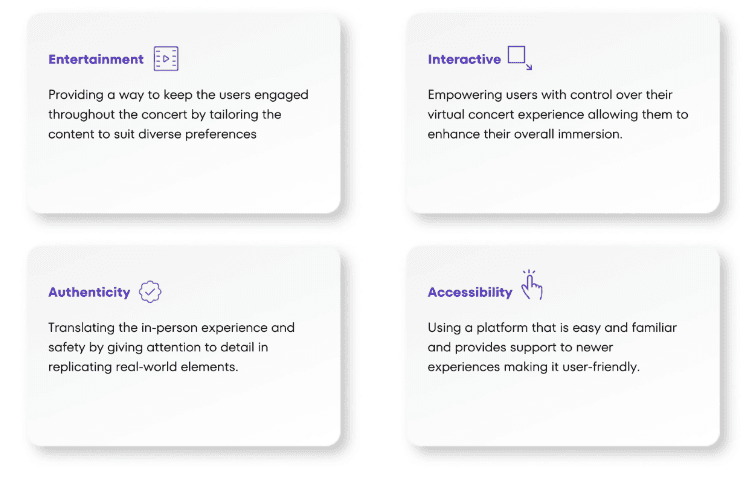
We focused on creating an immersive, cross-device experiences tailored to Gen Z—an experience-driven, tech-native generation. Over 40% of Gen Z's spending goes toward live events, and they seek personalization, social connection, and seamless digital access. Their psychology is rooted in curation over consumption, valuing authenticity, interactivity, and inclusivity in every experience.
Design Concept & Solution
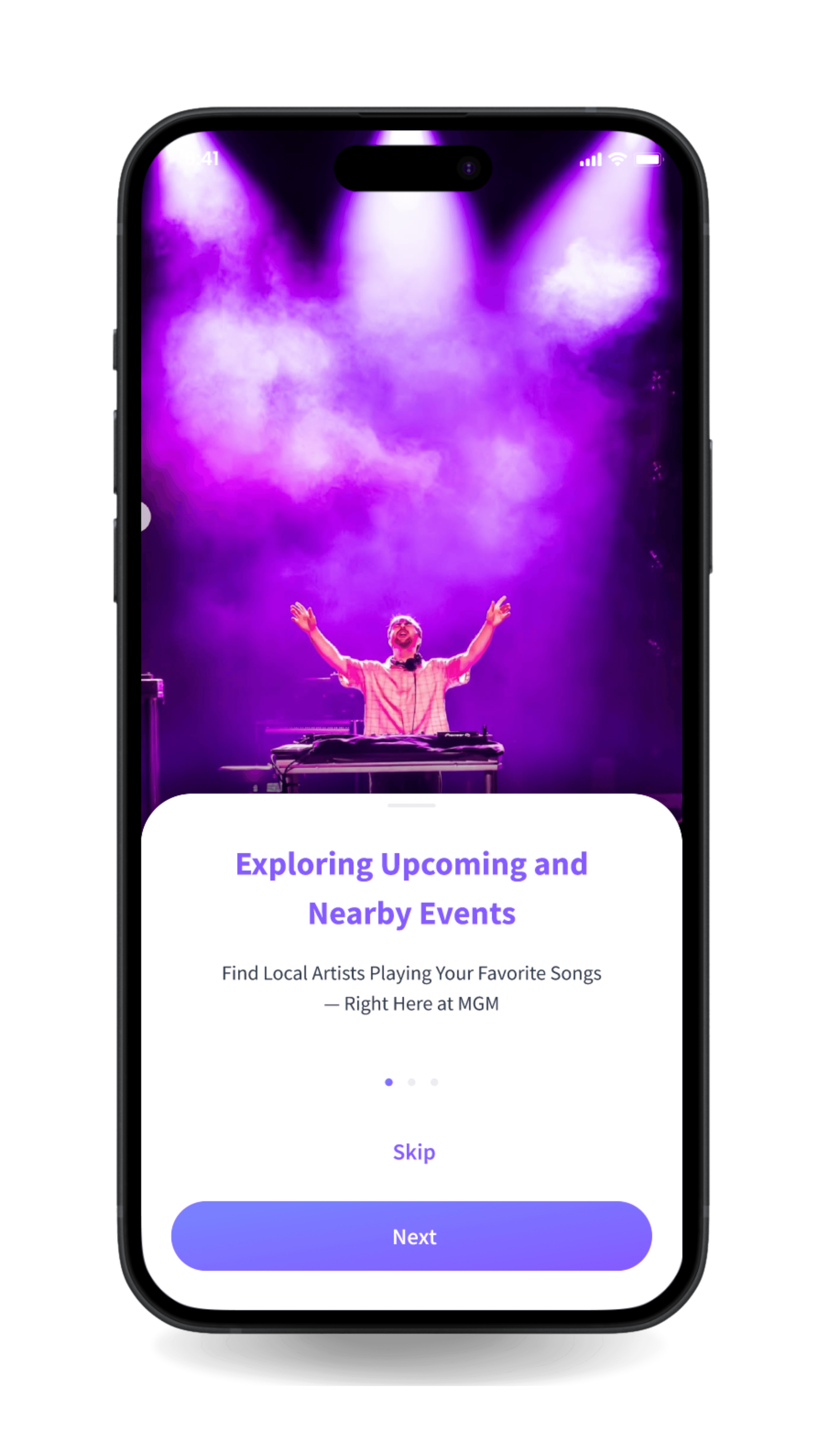
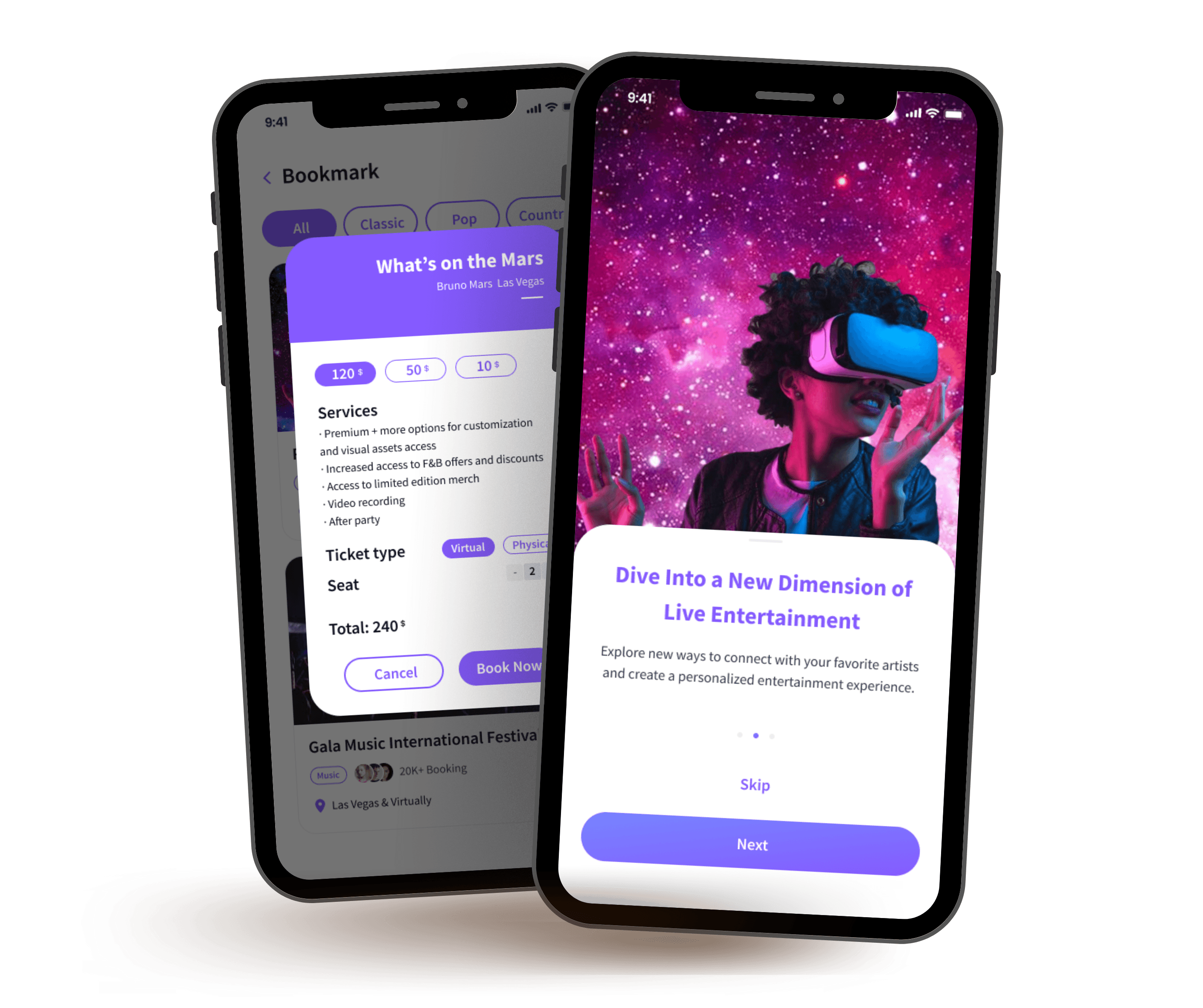
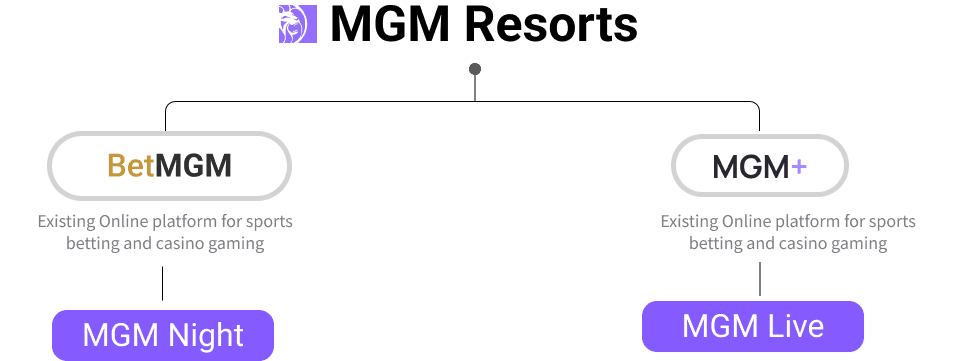
We introduced a cross-platform immersive experience to engage Gen Z through AR/XR, spanning two key categories:
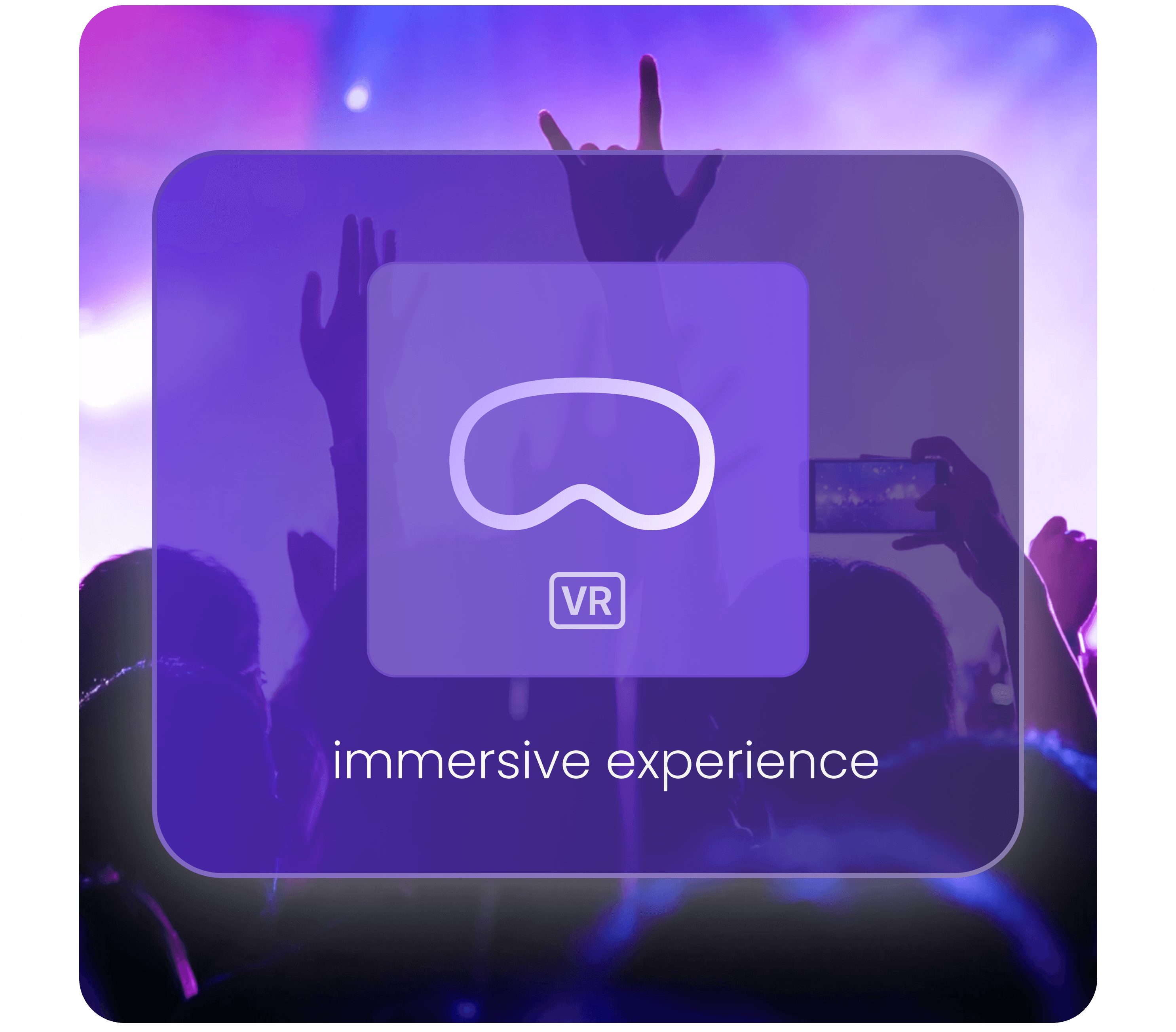
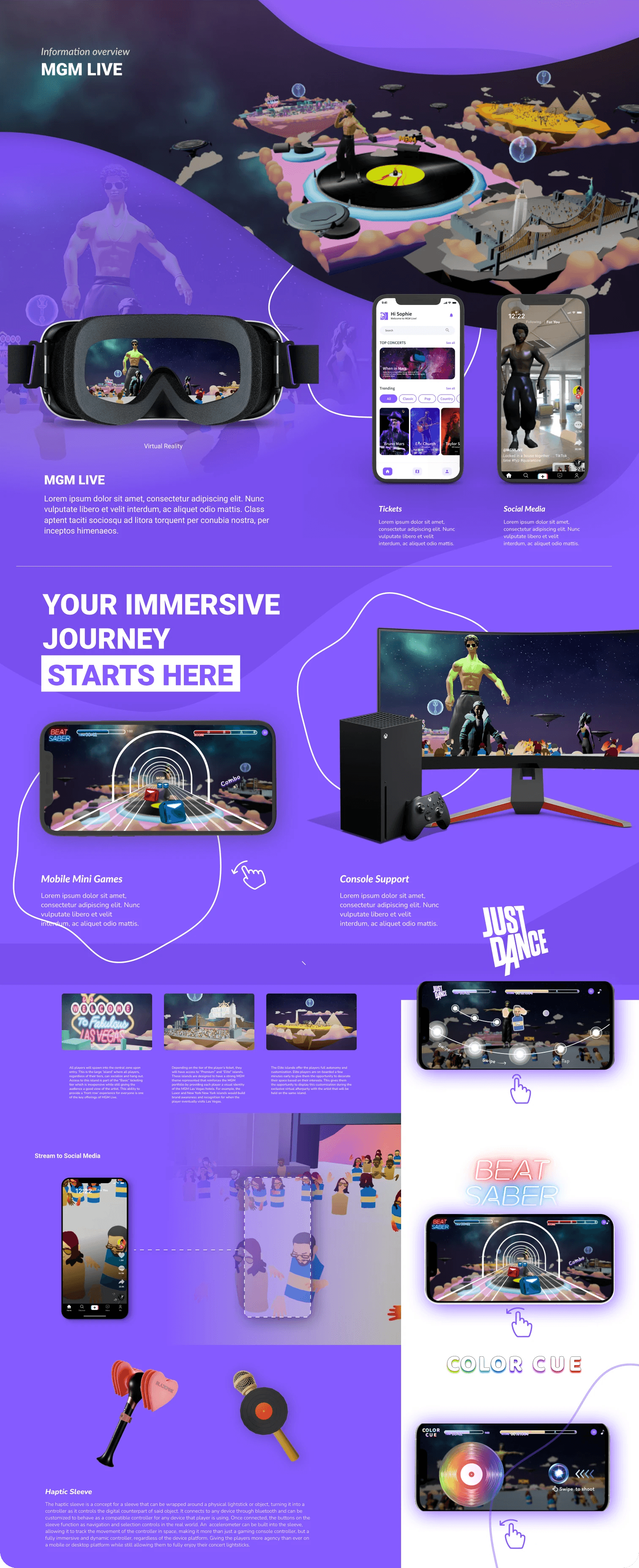
MGM Live (under MGM+) – A virtual concert platform where users attend shows, socialize, and personalize their environment. Inspired by Travis Scott’s $20M virtual event, it brings live entertainment beyond physical spaces.
MGM Night (under BetMGM) – A gamified 3D casino experience where users play and bet in immersive, multiplayer environments—merging gaming and social interaction.
Vision: Goal
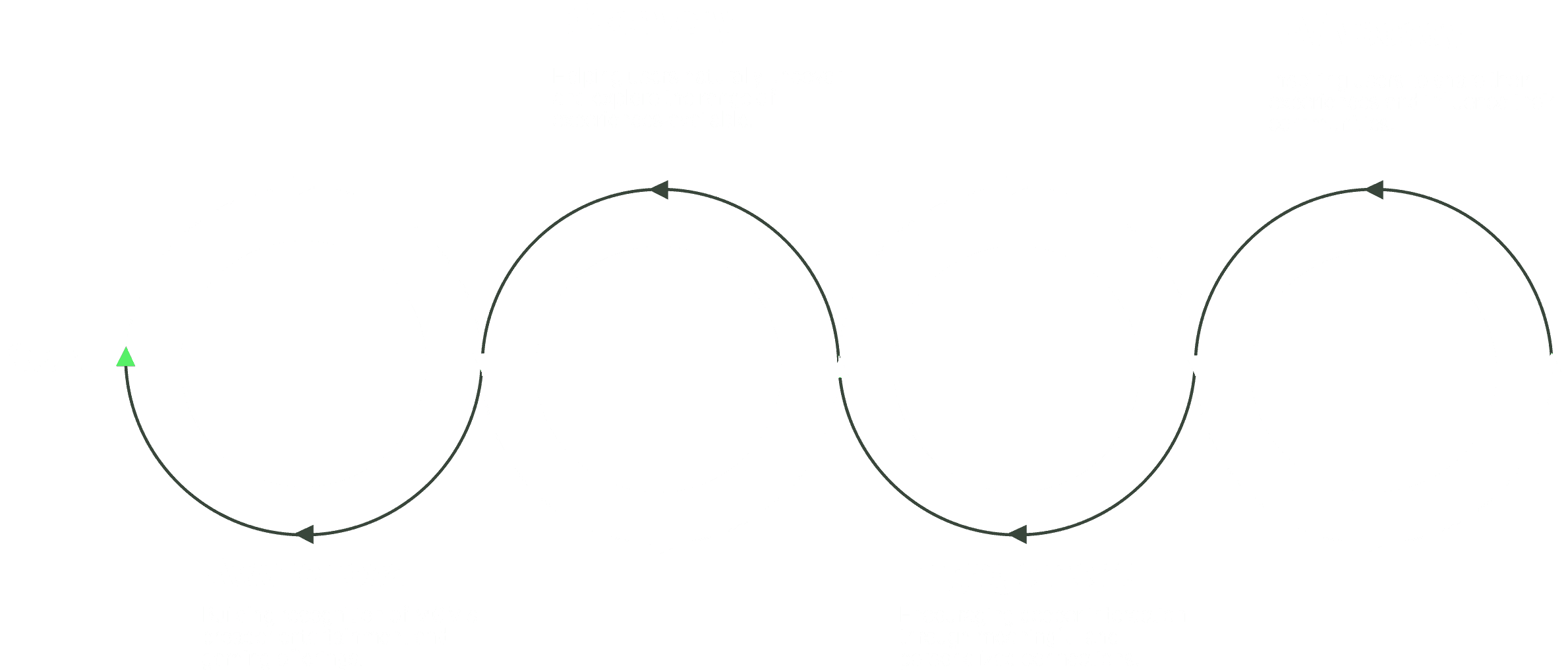
To better connect with Gen Z and enhance their relationship with the MGM brand, the experience was structured around four key phases of user behavior:
Secondary Data Research
We benchmarked Gen Z’s virtual-entertainment habits across platforms like Fortnite, Roblox, Horizon Worlds, The Sandbox, and Decentraland and found that only Fortnite and Roblox combine massive,Artists like Travis Scott leveraged Fortnite to reach fans virtually – his Astronomical event in 2020 pulled in a record 12.3 million.
Meanwhile, over 80 percent of Gen Z say that shared experiences and social networking drive their engagement, and demand for cross-platform immersive experiences is expected to jump 63 percent in the next decade.
Together, these insights highlight a clear opportunity: a cross-device, socially rich virtual platform that marries broad accessibility with interactive features and meaningful ownership.
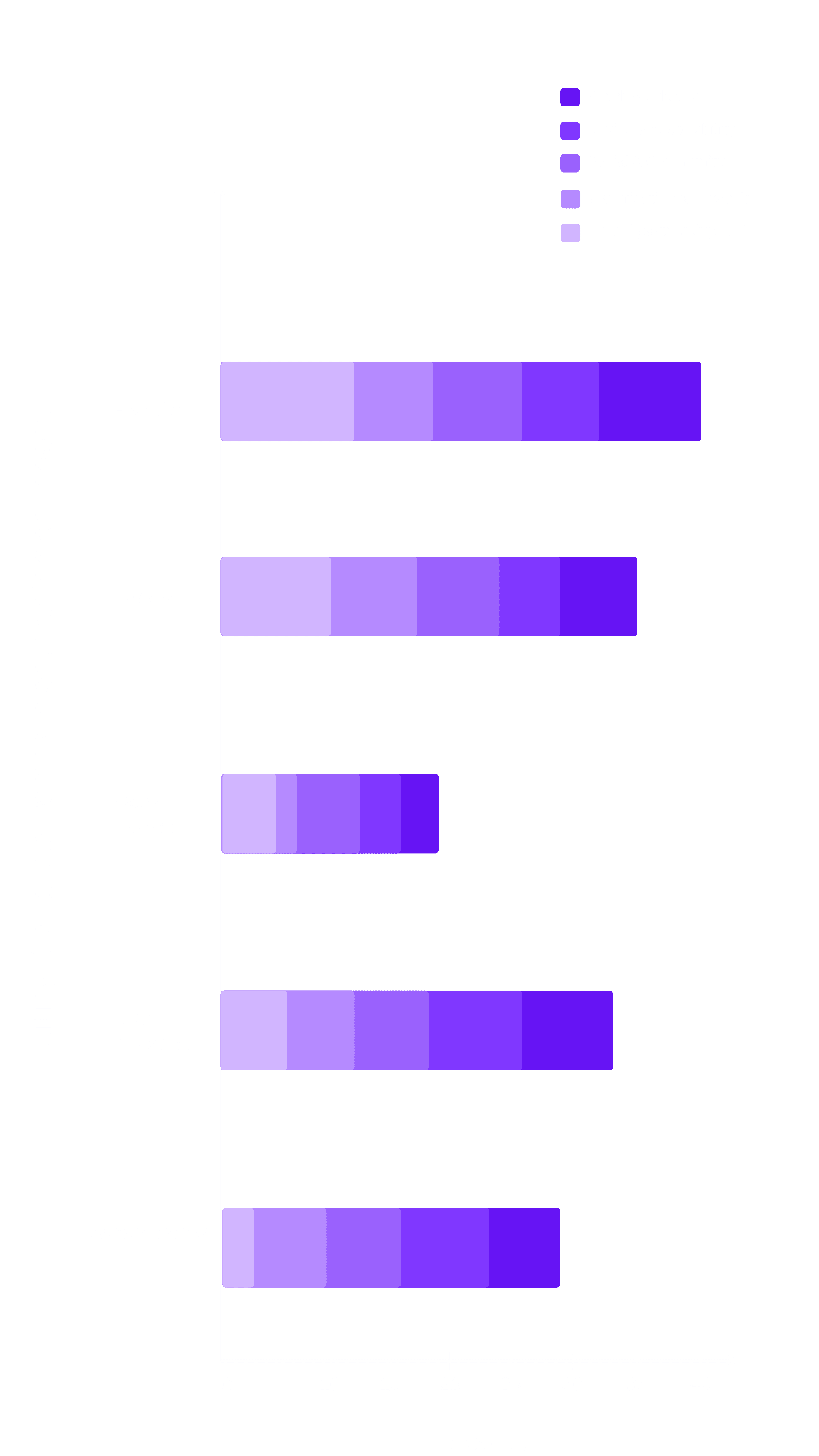
+80%
Gen Z rate restaurants, live entertainment, and hotel amenities as critical factors than choosing a casino
+47%
Over the next 10years Gen Z population will rely on immersive experiences such as AR/VR/XR
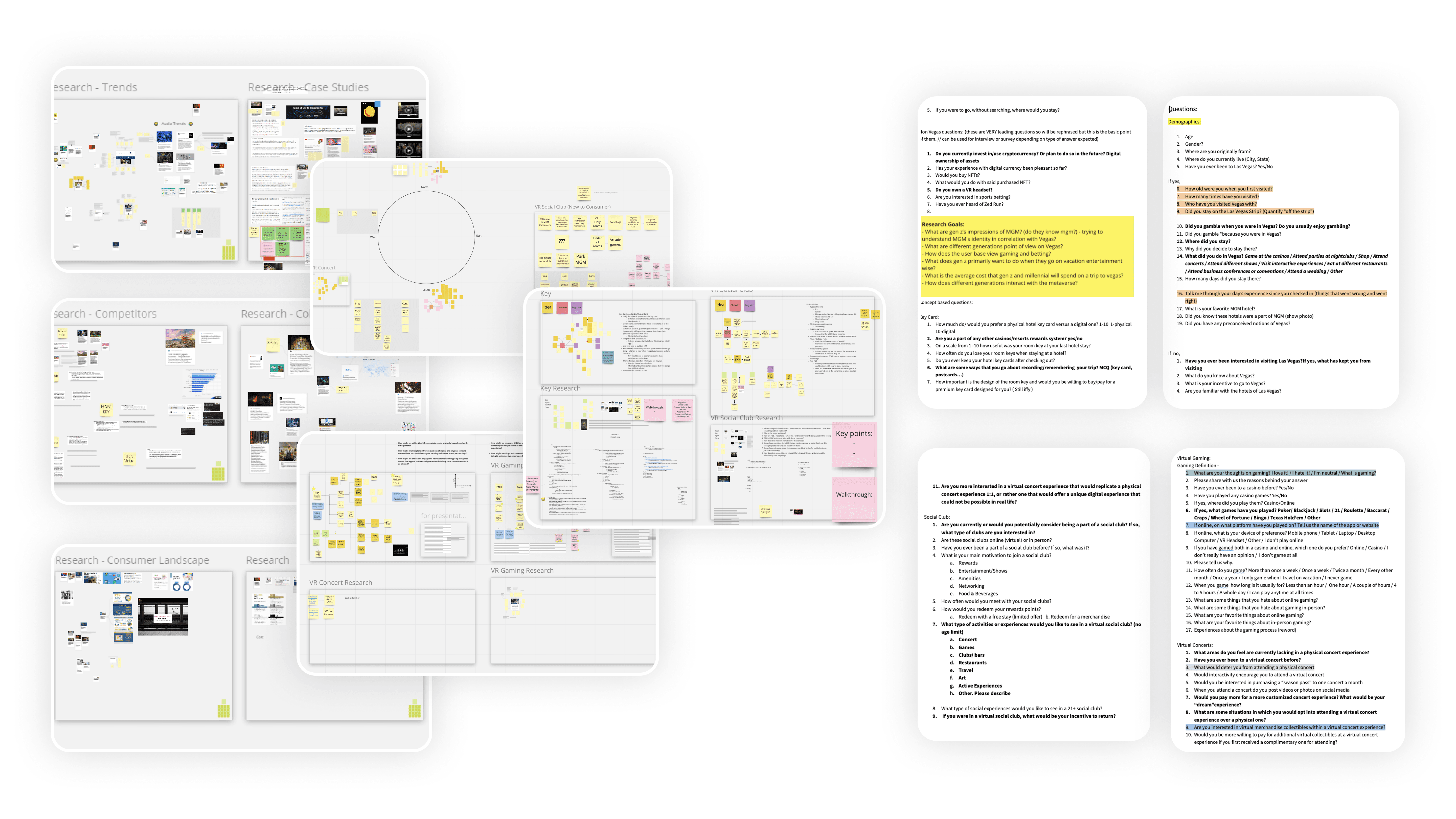
Mixed-Method Research
Understand Gen Z's behaviors, needs, and barriers around casino gaming and entertainment.
To shape and validate the concept, my team and I began building questionnaires, NDA's and organized resources to conduct various research, with mixed-method research approach:
User Interviews (12 participants): Conducted with Gen Z users to uncover needs and expectations around digital entertainment and gaming.
Surveys: Two targeted surveys—one on casino experiences, the other on entertainment habits—helped identify behavioral trends and market gaps.
Workshops (10–12 participants): Co-creation sessions helped map ideal user journeys and test early concepts.
Ethnographic Research: On-site visits to MGM properties revealed how users navigate current physical and digital experiences.
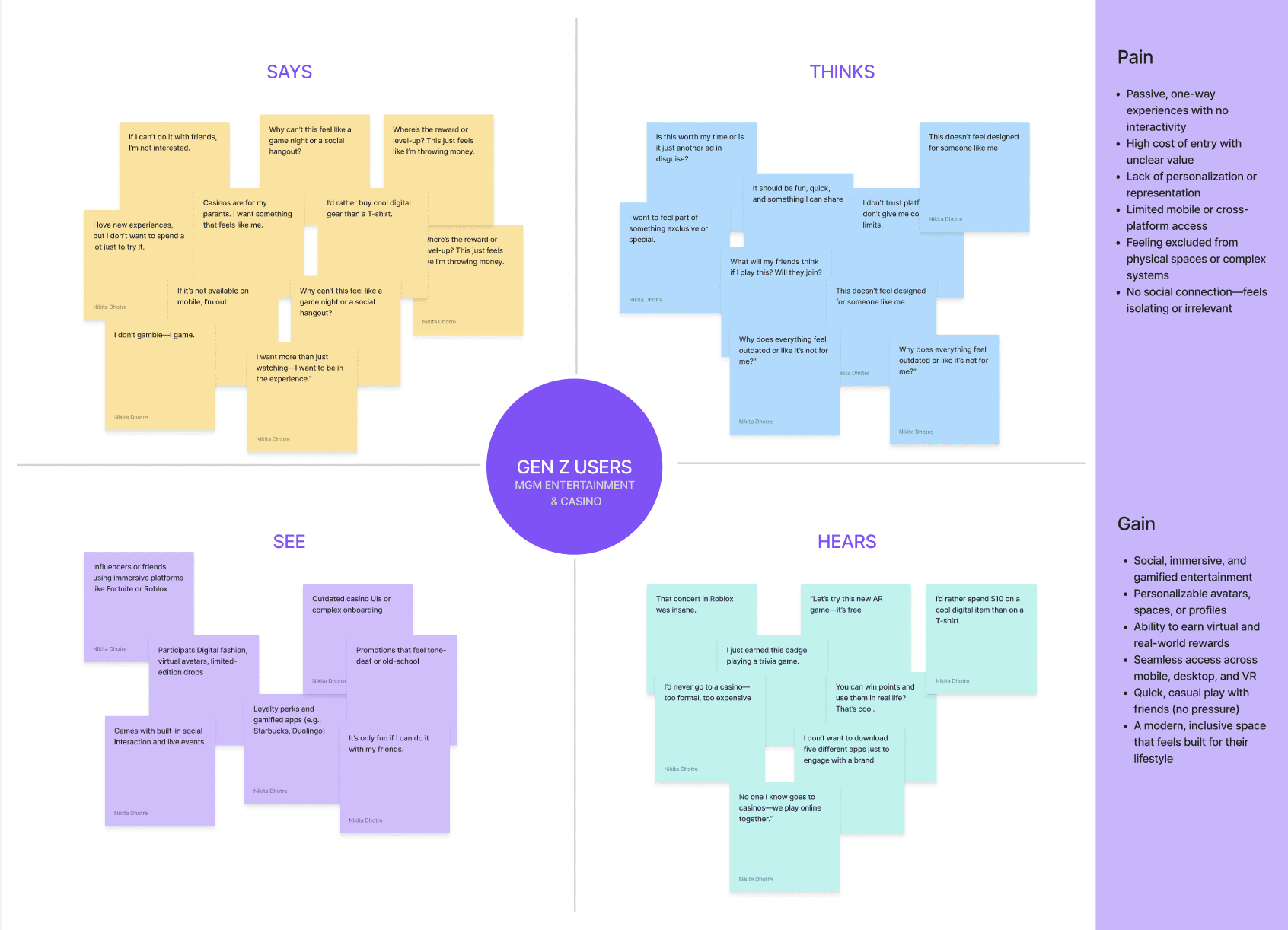
Key inisight through research

ndhotr20@gmail.com
E-mail
Home
About me
Expertise
Project
Contact me
Video
@nikita.dhotre_2025
Private Policy
Digital Experience